Reclaimed Wood Flooring With A Past Life
Kentucky horse-fence oak, old barn siding, factory floor hardwoods, and heart pine milled in our own shop. Shipped nationwide from Auburn, Georgia.
Floors That Have Already Lived
Reclaimed wood flooring puts old-growth timber underfoot. These boards grew slowly — decades per inch — which packed the grain tight and made them denser and harder-wearing than fast-grown lumber. Every style below came off something that did real work first: barns, horse fences, and factory floors. The nail holes, saw marks, and patina are the proof.
Pick a style to see specs, photos, and finish options. Not sure which fits your room? Tell us about the project and we’ll point you to the right floor.
Milled In Our Shop
Reclaimed and milled right here in Auburn, Georgia, then kiln dried so the floor holds still underfoot.

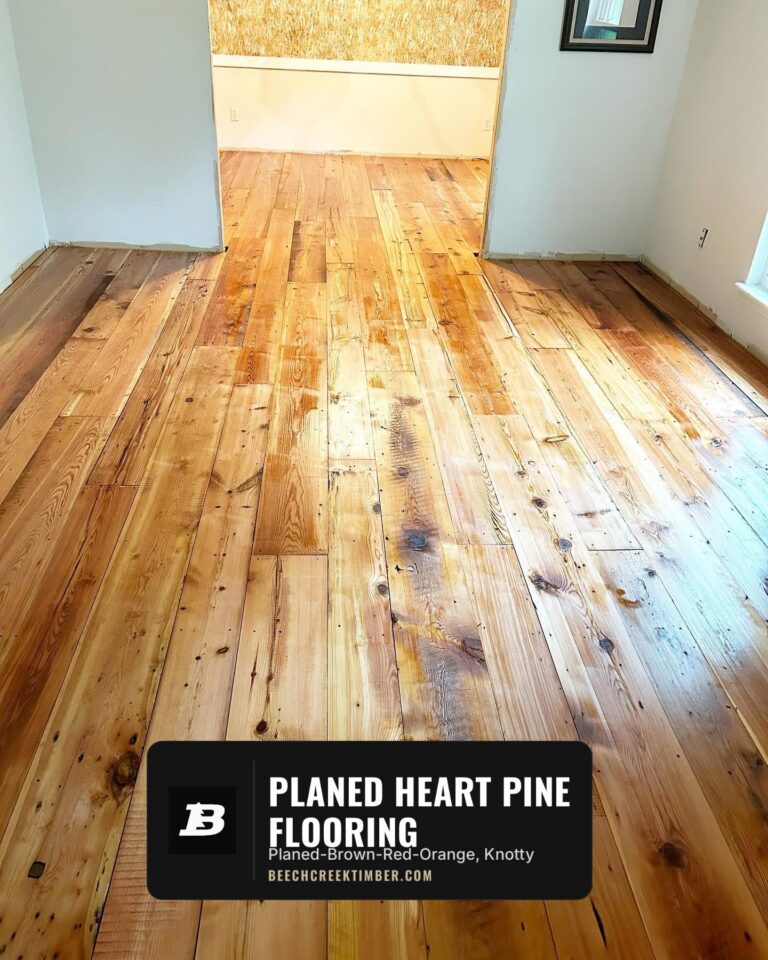
Reclaimed Heart Pine
Old-growth heart pine, kiln dried and planed. 3" to 12" widths.
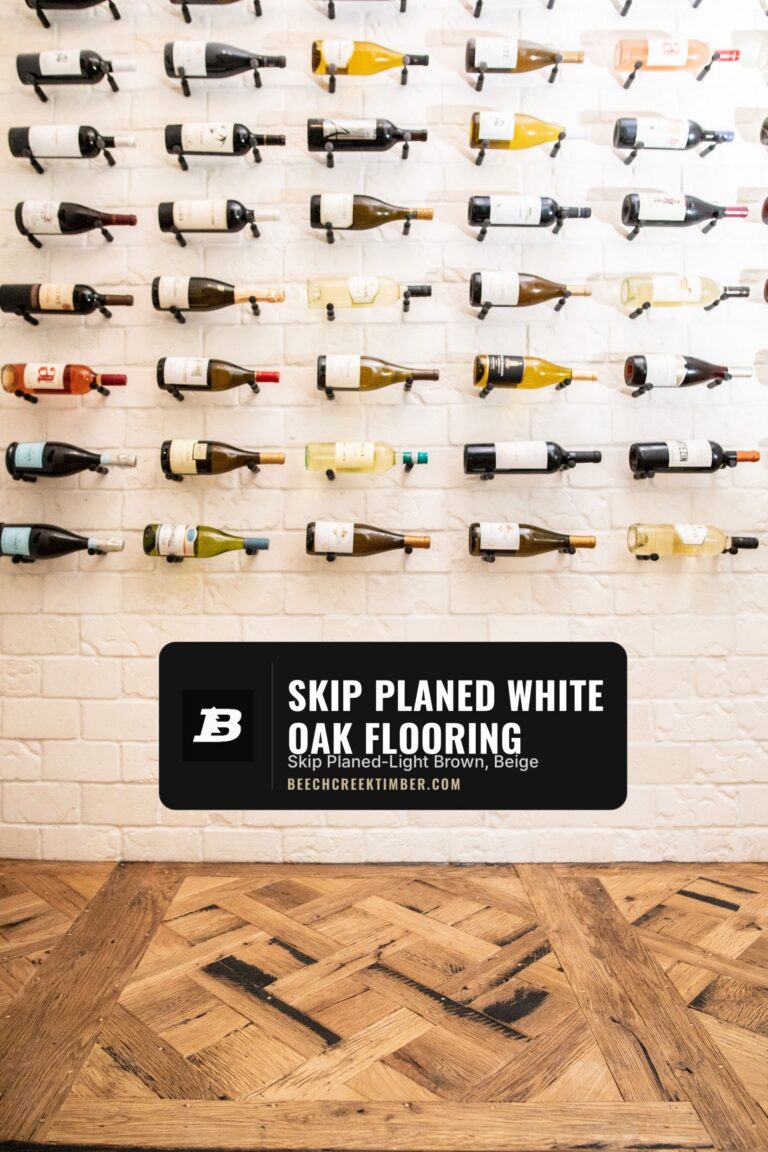
Skip-Planed Reclaimed White Oak
Reclaimed white oak with the old saw marks kept. 5" wide.
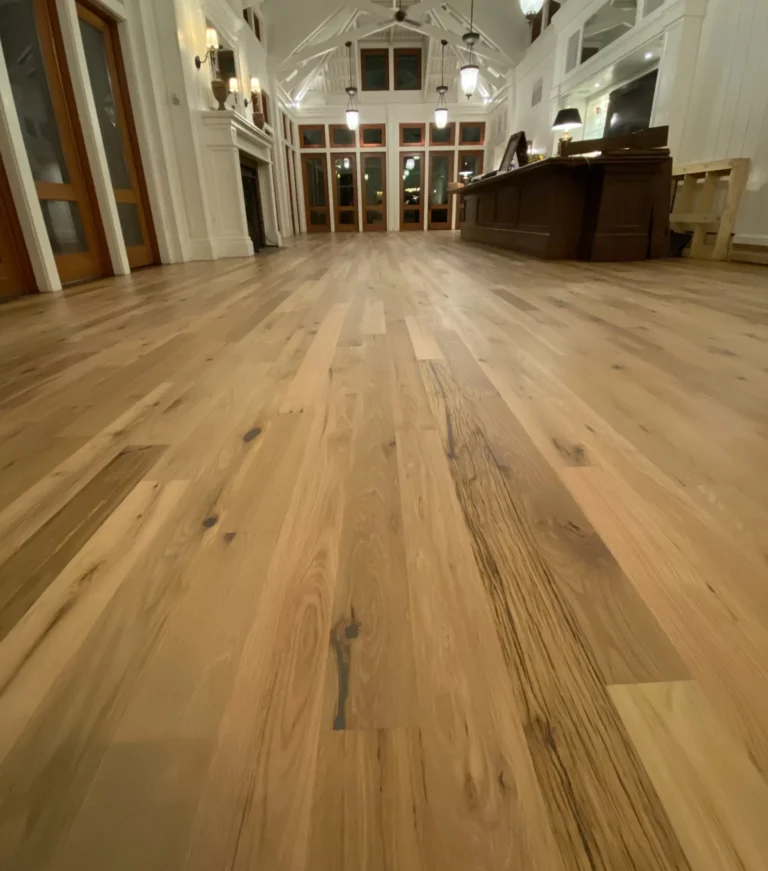
Kentucky Paddock Oak
Oak board fencing from central Kentucky horse farms, milled into solid flooring.

Kentucky Paddock Oak — Clean Face
Horse-fence oak planed smooth. Warm, calm, quietly historic.
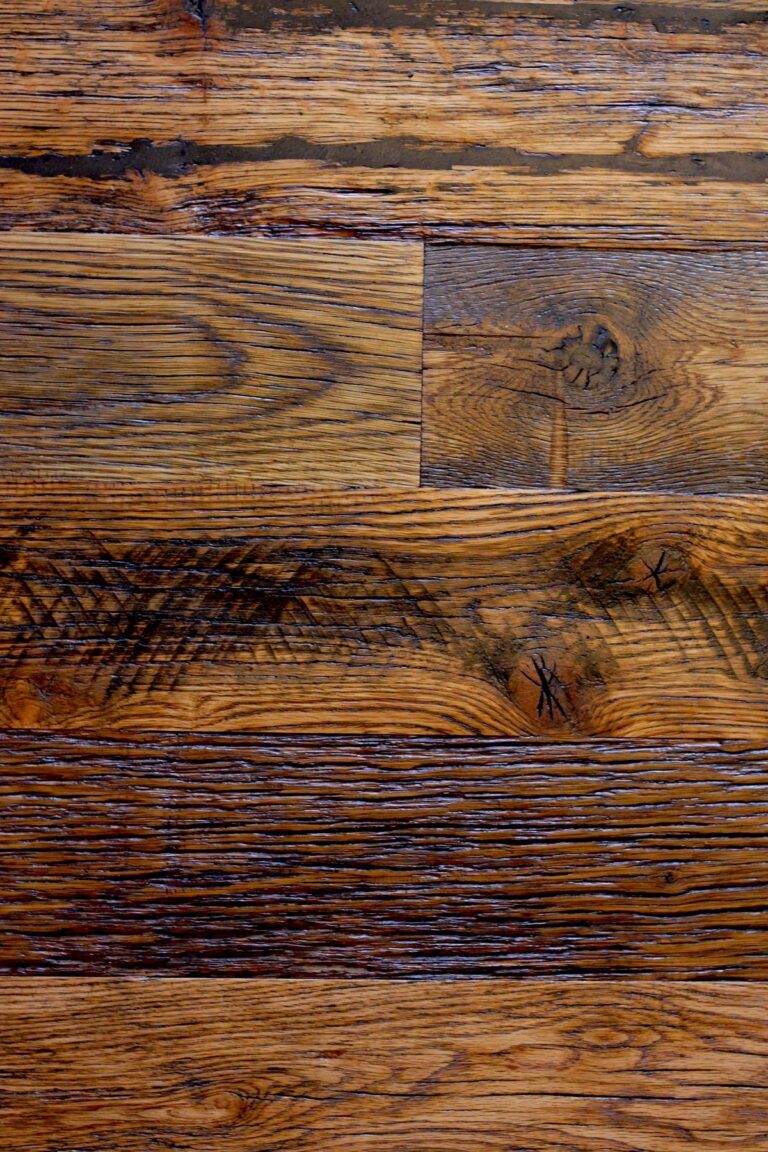
Kentucky Paddock Oak — Wirebrushed
Solid horse-fence oak with the grain brushed up. Hides wear.
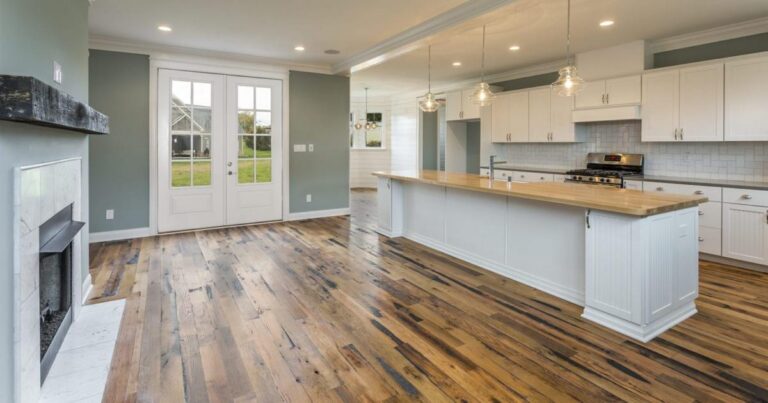
Kentucky Paddock Oak — Skip-Planed Black
Kentucky's black board fence, with the black left in the low spots.
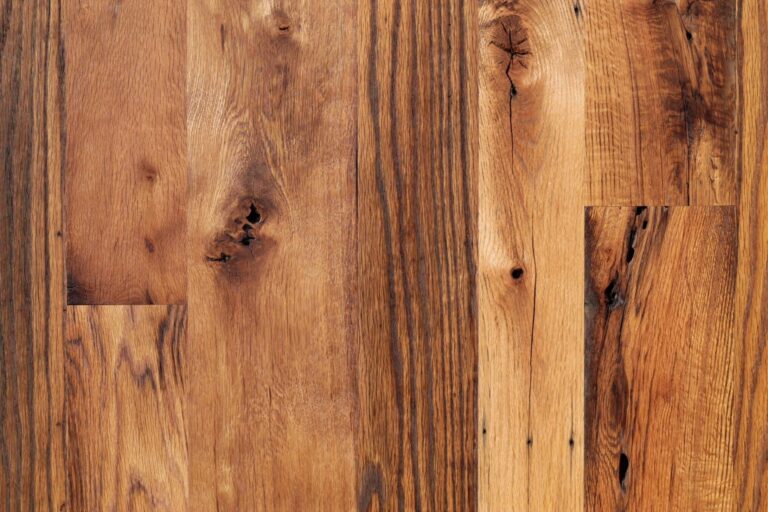
Barn Siding Oak & Mixed Hardwood
Siding and timbers from old barns and tobacco sheds, in solid and engineered boards.

Barn Siding Oak — Clean Face
Solid barn oak planed smooth. The classic reclaimed oak floor.
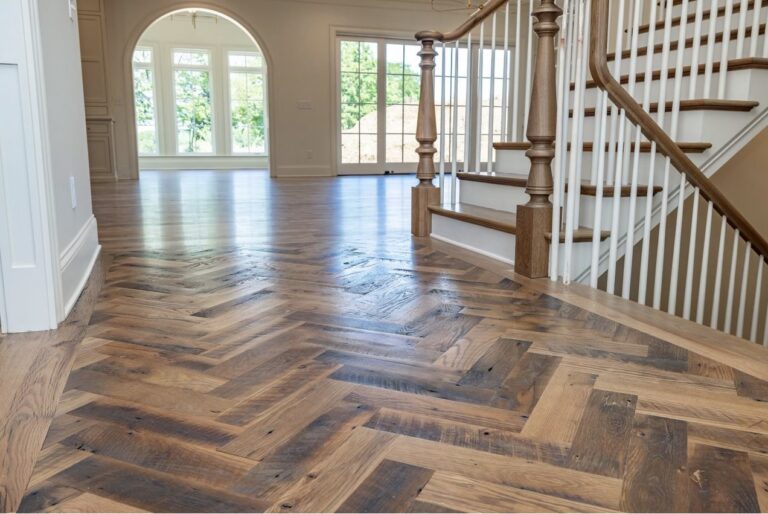
Barn Siding Oak — Skip-Planed
Solid barn oak with the old saw marks and patina kept.
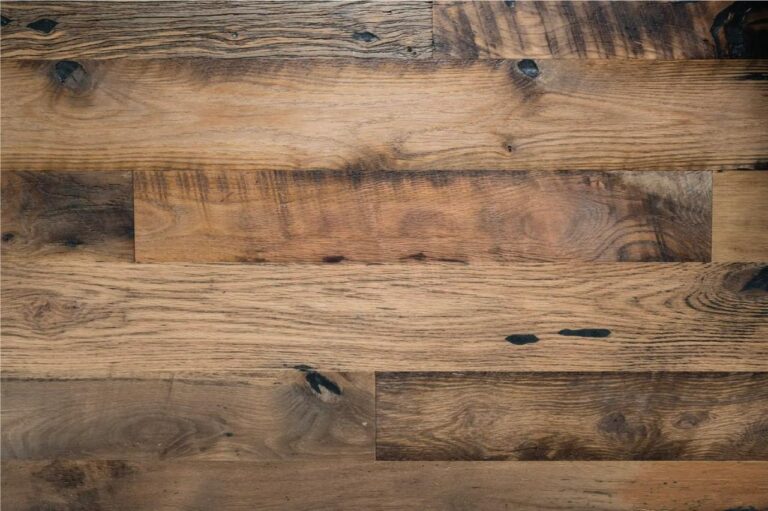
Barn Siding Mixed Oak — Engineered
Red and white barn oak, skip-planed, on a stable engineered base.
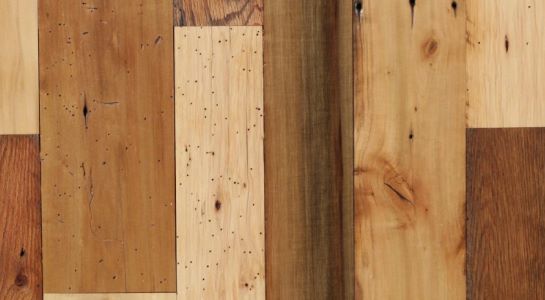
Barn Siding Mixed Hardwood — Clean Face
Oak, hickory, ash, maple and more. A smooth patchwork of color.
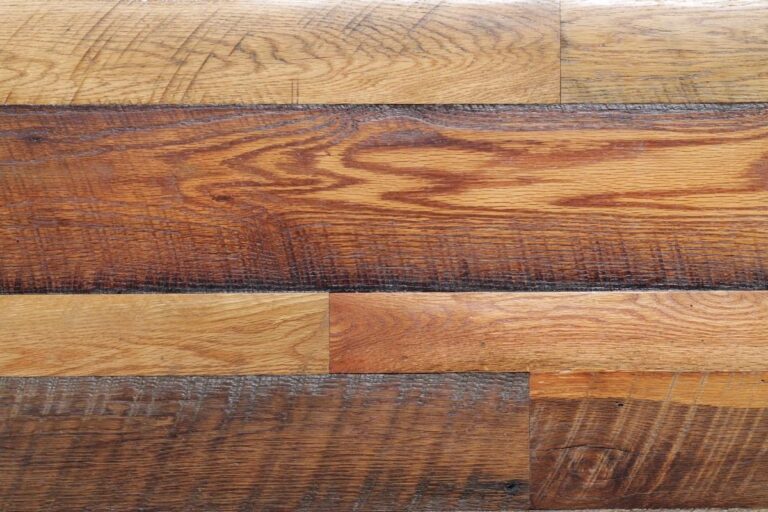
Barn Siding Mixed Hardwood — Skip-Planed
Our most rustic barn floor: mixed species, weathered faces.
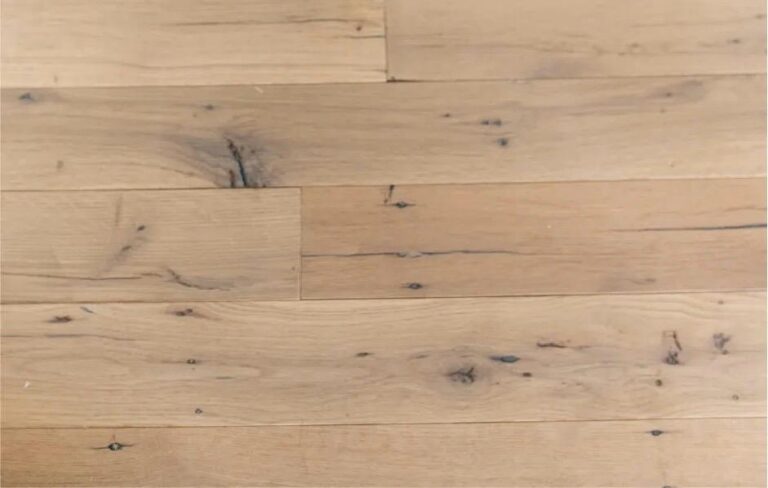
Factory Floor & Dark Rustic
Hardwood pulled from old American factories and warehouses, plus our darkest barn wood.

Factory Floor White Oak — Clean Face
White oak from antique factories, planed to a clean, light face.
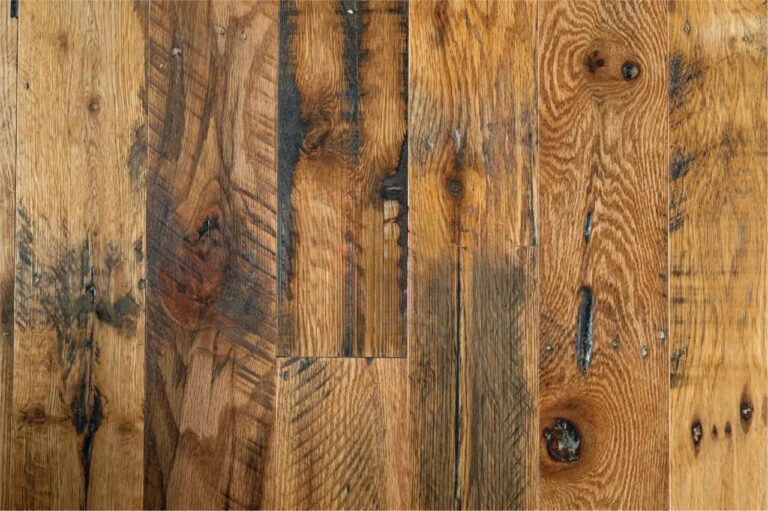
Factory Floor Mixed Hardwood
Oak and mixed hardwoods from old warehouses, engineered.
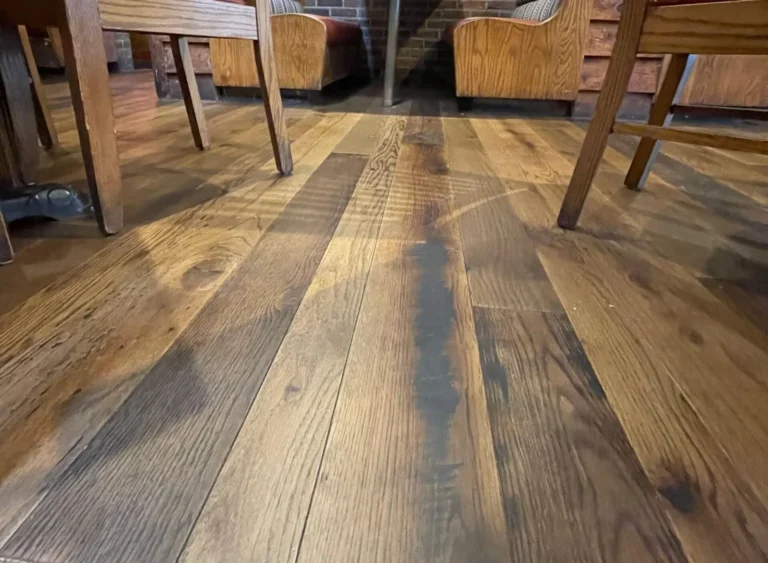
Dark Rustic Barnwood
The darkest, most weathered barn wood we carry.
Also Available Through Us
Thermally modified heart pine and white oak, 3/4″ tongue and groove, 5″, 7″, 9″, and 11″ widths, lengths 2′ to 12′.
Want New Wood Instead?
If you’d rather have consistent color and extra-wide planks, see our wide plank oak flooring — new, sustainably sourced oak in 8″ to 12″ planks and 19 prefinished colors.
Planning Your Floor
Measure your square footage and add about 10% for cuts and grading. Send us your square footage, subfloor type, and zip code, and we’ll talk style, availability, and what your budget buys in real boards.
Is reclaimed flooring durable enough for busy households?
Generally more than new flooring. Old-growth wood is denser because the trees grew slowly, and many of these boards already survived decades as barn siding, horse fencing, or factory floors. Kids and dogs are a step down in abuse.
Wide plank or standard width?
Wide planks show more of each board’s character and make rooms feel established; standard widths read more traditional and can be more forgiving in humid spaces. See our full comparison, or tell us the room and we’ll give you the short answer.
How much flooring should I order?
Your room’s square footage plus roughly 10% for cuts and grading. Send the dimensions with your quote request and we’ll check the math with you before anything ships.
Solid or engineered reclaimed flooring?
Solid boards go over a wood subfloor and can be sanded many times. Engineered boards put a reclaimed wear layer on a stable backing, which makes them the better pick over concrete slabs, in basements, and over radiant heat.
What's the difference between clean face and skip-planed?
Clean face boards are planed fully smooth, so the weathered surface is gone and you see the wood underneath. Skip-planed boards are planed lightly, keeping old saw marks and patina in the low spots for a more rustic look.
