
Oak That Fenced In Kentucky's Thoroughbreds
Solid reclaimed oak milled from old Kentucky horse-farm fencing, planed to a clean, modern face. Shipped nationwide from Auburn, Georgia.
Kentucky paddock oak flooring starts as board fencing on central Kentucky horse farms. That oak stood outside for decades, holding in thoroughbreds and taking whatever the weather gave it. When the fence lines come down, the boards are pulled, de-nailed, and milled into solid tongue-and-groove flooring.
The clean face version is planed past the weathered surface. The grey patina comes off and the oak underneath shows through: warm, even, and quieter than a rustic floor, with just enough knots and old nail marks to tell you it had a past life.
Specs at a Glance
Species: reclaimed oak from horse-farm board fencing.
Construction: solid, 3/4″ thick, tongue and groove with a relief-cut back.
Width: 4.5″. Lengths: random, 1′ to 7′.
Surface: clean face (planed smooth, patina removed).
Finish: prefinished or unfinished.
Pick this one if you want a floor with a real history but a clean look: farmhouse, transitional, or modern rooms where a heavily distressed board would be too much.
Kentucky Paddock Oak Flooring, Installed
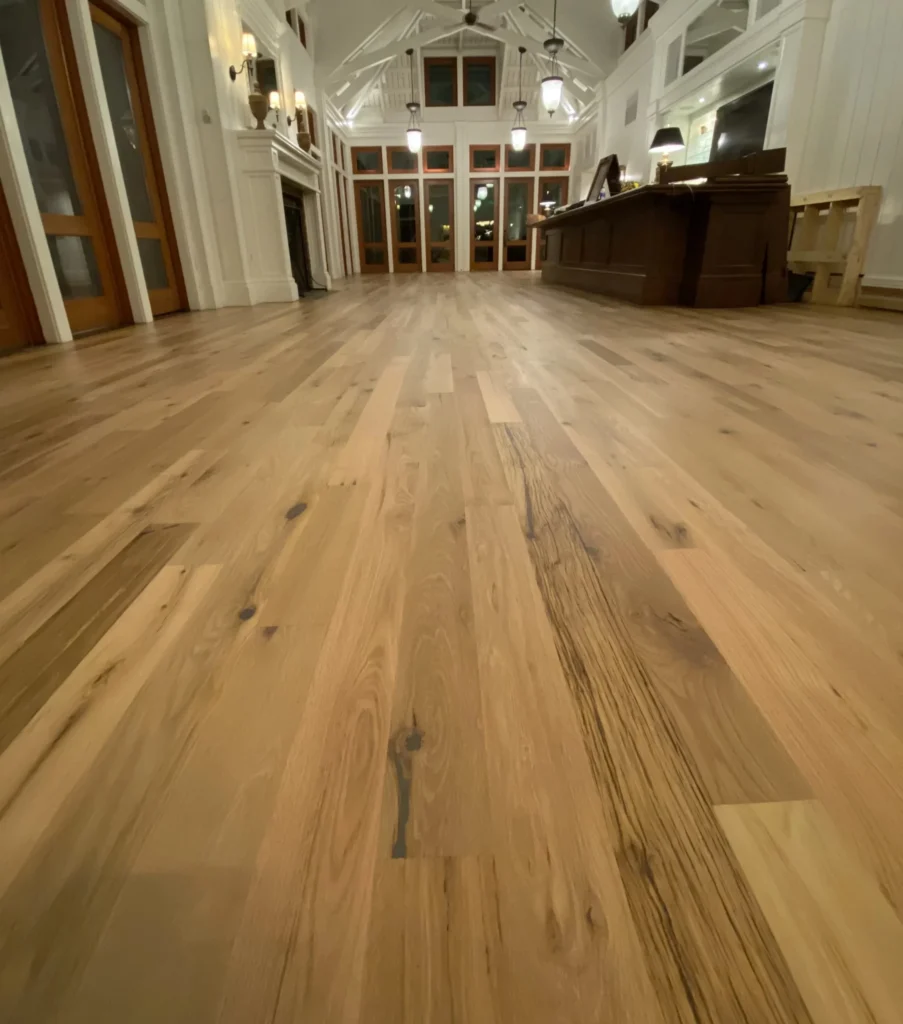
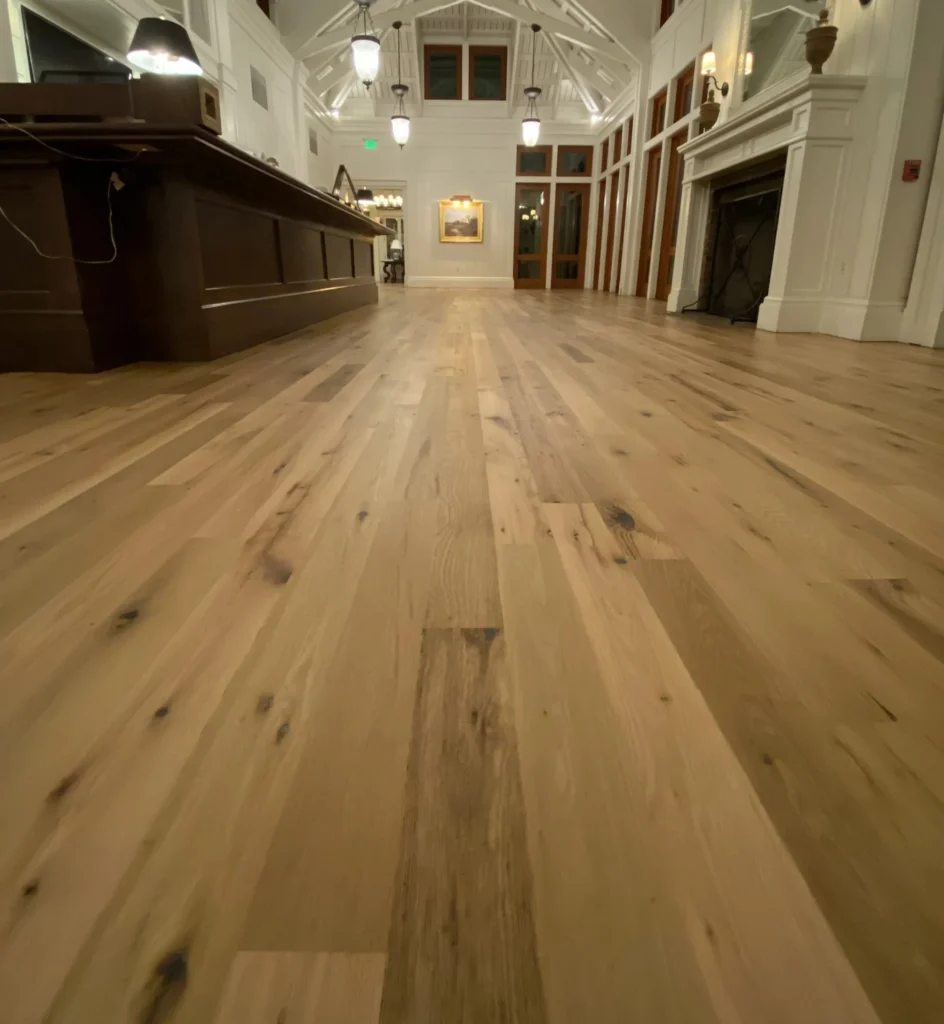
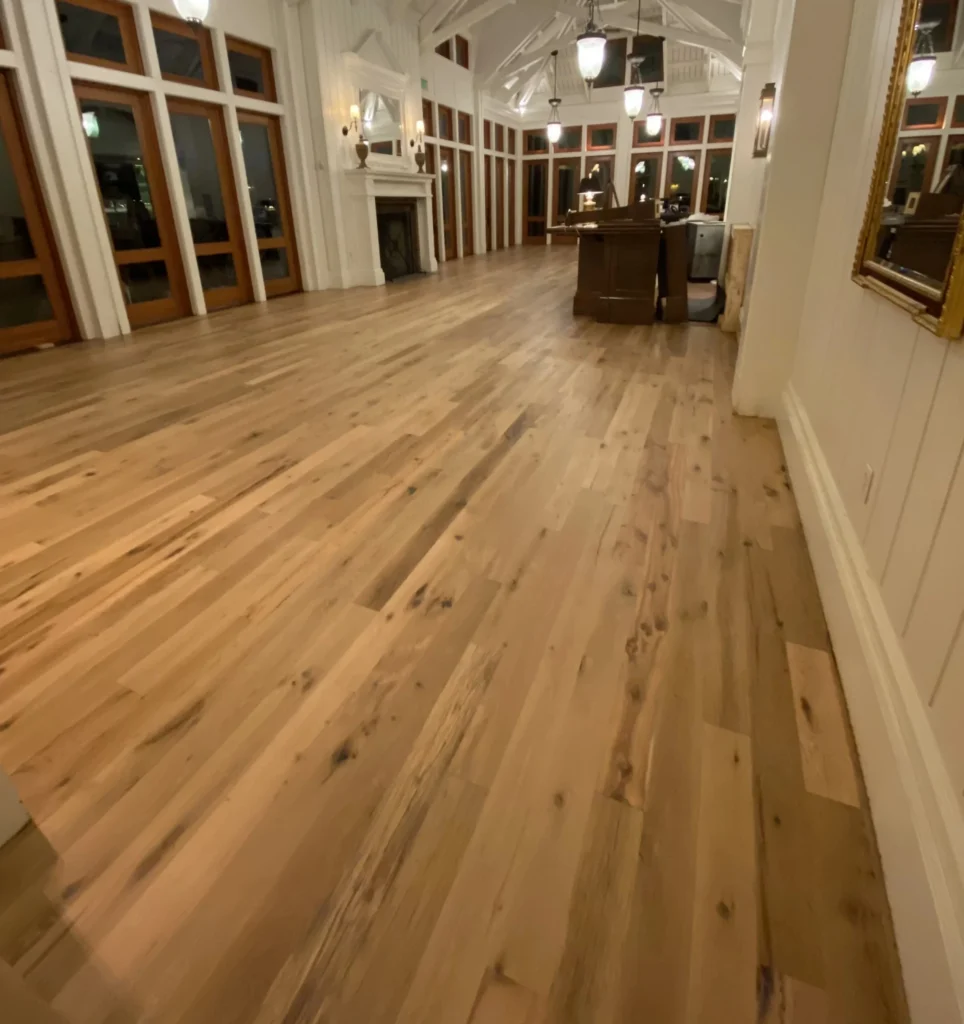
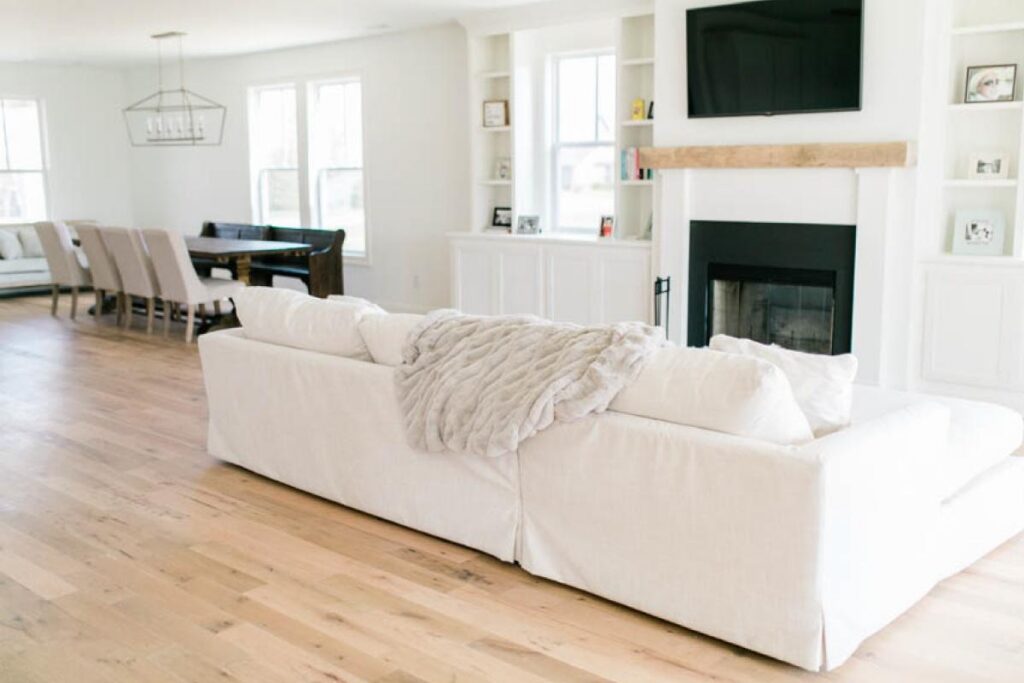
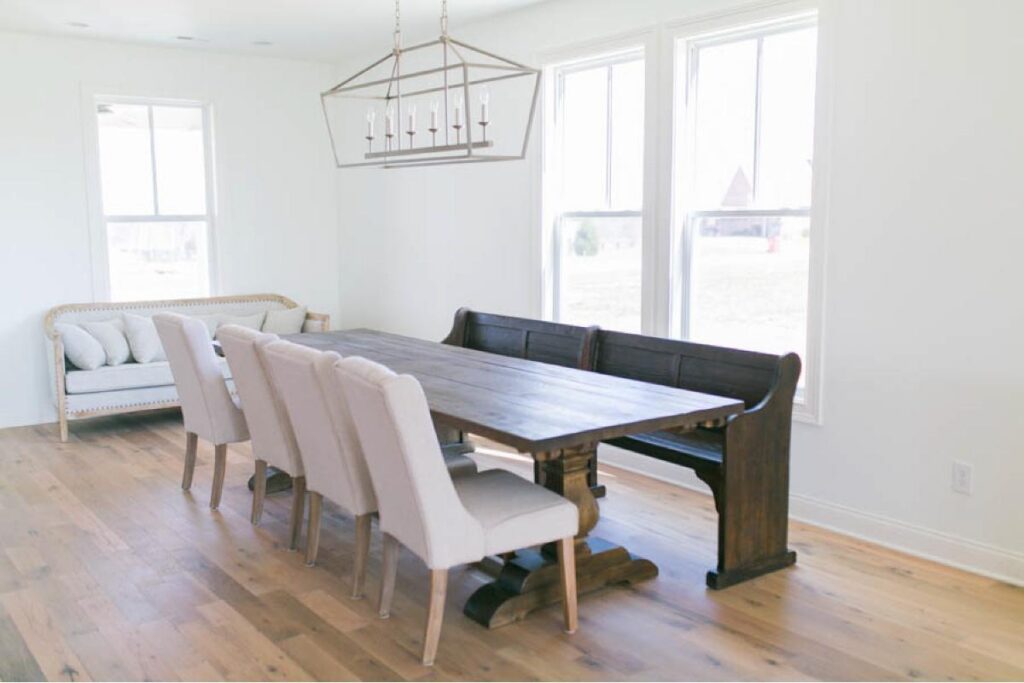
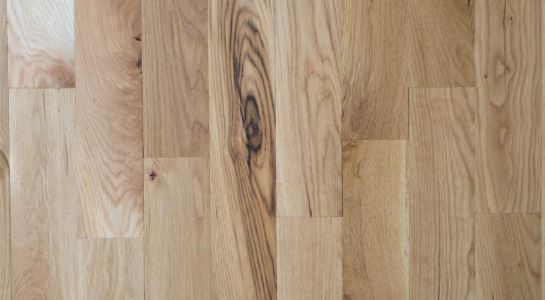
Every board is one of a kind. Expect natural variation in color and grain, plus knots and old nail marks — that’s the wood’s history, not a defect.
Installing Reclaimed Oak Flooring
We supply the flooring; your flooring contractor or an experienced DIYer handles the install. Let the boards acclimate in the room for several days before installing, with the HVAC running at normal living conditions, and follow standard hardwood flooring practice for subfloor prep and moisture testing. Random lengths install like any tongue-and-groove floor — stagger the end joints and pull boards from several boxes as you go so color mixes evenly.
Why Homeowners and Builders Choose Beechcreek
We’ve spent years working with reclaimed timber, and we’ll help you pick the right board for the room — not just the one that’s in stock. You get straight answers on what the floor will look like, how it’s built, and what it takes to install.
And every order puts people coming out of recovery to work. That’s not a side story. It’s why the shop exists.
Tell us about your floor.
Frequently Asked Questions
Where does Kentucky paddock oak come from?
Board fencing from horse farms in central Kentucky. The oak spent decades outdoors around paddocks and pastures before it was taken down and milled into flooring.
What does "clean face" mean?
The boards are planed past the weathered outer surface, so the grey patina is gone and you see the oak underneath. You keep the character marks — knots, old nail holes, grain — without the rough texture.
Is it solid or engineered?
This style is solid oak, 3/4″ thick, tongue and groove. If you need an engineered board for a slab or radiant heat, ask us about the engineered paddock oak option.
Prefinished or unfinished — which should I get?
Prefinished goes down faster and is ready to live on once installed. Unfinished lets your flooring contractor sand and finish on site to the exact color and sheen you want.
How much should I order?
Measure the square footage of the room and add 10–15% for cutting waste and board selection. Send us your square footage and we’ll quote it.